
 EN
EN
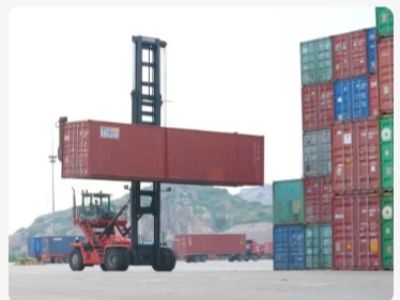
International freight services play a critical role in modern global trade by facilitating the movement of goods across international borders. For businesses engaged in cross-border e-commerce, selecting the right fob air freight partner is essential for ensuring reliable logistics, cost-effectiveness, and compliance with international shipping regulations. This article addresses key considerations for businesses looking to leverage international freight services, including how to choose the right partner, common challenges in global trade, and practical guidance for project purchasers and installation of products shipped internationally.
How to Choose the Right International Freight Partner for Your Business?
Selecting the right international freight partner is crucial for maintaining efficient supply chain operations. Buyers should evaluate potential partners based on several key factors:
Experience and Expertise: Look for freight services with a proven track record in your specific trade lane. Partners that specialize in the U.S. market, for instance, will have better insights into local regulations, customs processes, and industry best practices.
Service Range: Choose a partner that offers comprehensive services, including warehousing, customs clearance, and tracking capabilities. This ensures that you have a single point of contact for all logistics needs, which can simplify communication and improve efficiency.
Technology and Visibility: A partner that provides real-time tracking and data analytics can significantly enhance supply chain visibility. This allows you to monitor shipments closely and respond quickly to any issues that may arise.
Cost Structure: Analyze the pricing model to ensure it aligns with your budget. Consider not only the shipping rates but also any hidden costs that may arise during customs clearance or handling.
Customer Service: Effective communication is key in logistics. A responsive customer service team can help resolve issues promptly and keep you informed throughout the shipping process.
Common Problems in Global Trade and Their Freight Solutions
Global trade is fraught with challenges that can disrupt the supply chain. Understanding these common issues and their solutions can help businesses navigate the complexities of international logistics:
Customs Delays: Documentation errors or incomplete filings can lead to significant delays. To mitigate this risk, ensure that all paperwork is accurate and that you have a clear understanding of customs regulations in both the exporting and importing countries.
Shipping Damage: Products can be damaged during transit due to inadequate packaging or handling. Ensure that your freight partner has robust packing standards and consider additional insurance for high-value items.
Supply Chain Disruptions: Events such as natural disasters or political instability can impact shipping schedules. A flexible logistics partner with alternative routing options can help minimize these disruptions.
Cost Fluctuations: Freight costs can vary widely based on market conditions. Establish a good relationship with your ddp air freight partner to receive timely updates on potential cost changes and explore options for long-term contracts that may stabilize rates.
Where to Find Quality International Freight Services for Imports?
Finding reputable international freight services for imports involves several strategies:
Industry Referrals: Networking with industry peers or joining trade associations can provide valuable recommendations for reliable china freight forwarder partners.
Online Directories and Reviews: Utilize online platforms that list freight forwarders and allow users to leave reviews. Look for companies with strong ratings and positive feedback regarding their service quality.
Trade Shows and Expos: Attending logistics and trade events can connect you with potential freight partners. These events often showcase a variety of service providers, allowing you to compare offerings in person.
Requesting Quotes: Once you have identified potential partners, request detailed quotes that include information on services, pricing, and terms. This will enable you to make informed comparisons and decisions.
A Guide for Project Purchasers
For project purchasers, understanding the logistics involved in importing goods is paramount. Here are several steps to consider when managing your international freight needs:
Specify Requirements: Clearly outline your product specifications, including dimensions, materials, and expected performance. This information will help your freight partner provide accurate shipping solutions.
Packaging Considerations: Determine the appropriate packaging methods for your products, considering their fragility and the transport conditions they will face. Proper packaging can prevent damage and ensure compliance with shipping regulations.
Lead Time Management: Establish realistic timelines for your project. Factor in potential delays due to customs clearance and shipping times. Work closely with your freight partner to align timelines with production schedules.
Sample Approval: Before mass production, request samples of products to verify quality and specifications. This step is crucial to avoid costly mistakes later on.
Installation Guidance for Products Shipped via International Freight Services
When products are shipped internationally, proper installation guidance is essential to ensure successful deployment. Here are some best practices:
Installation Instructions: Provide clear, detailed installation manuals that outline every step of the process. Include diagrams or videos where applicable to enhance understanding.
Local Compliance: Ensure that installation practices comply with local regulations and standards. This may include electrical codes, safety regulations, or environmental considerations.
Training Opportunities: Consider offering training sessions for local teams who will be responsible for installation. This can help mitigate errors and ensure proper handling of the products.
Post-Installation Support: Establish a channel for post-installation support to address any issues that may arise. This can enhance customer satisfaction and build trust in your brand.
By understanding the role of international freight services in modern global trade and following best practices for selecting partners, addressing common issues, and ensuring proper installation, businesses can better navigate the complexities of international logistics and improve their operational efficiency.
Table of Contents
- How to Choose the Right International Freight Partner for Your Business?
- Common Problems in Global Trade and Their Freight Solutions
- Where to Find Quality International Freight Services for Imports?
- A Guide for Project Purchasers
- Installation Guidance for Products Shipped via International Freight Services