
 EN
EN
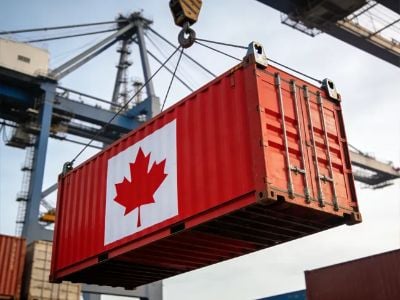
Understanding the differences between international freight and traditional shipping methods is crucial for businesses that rely on effective logistics to maintain their competitive edge. The choice between these shipping methods can significantly impact costs, delivery times, and overall supply chain efficiency. We will explore the key advantages for businesses, how to choose between the two options, essential buyer considerations, common issues with traditional shipping, and how to evaluate supplier reliability in international freight options.
Key Advantages for Businesses
International freight offers several advantages that can enhance a company's operations. Primarily, it facilitates access to global markets, allowing businesses to expand their reach beyond local and regional boundaries. This global integration opens opportunities for sourcing materials at competitive prices, thus reducing overall production costs. Additionally, international freight often provides advanced tracking capabilities due to the use of technology in logistics management. This end-to-end visibility, which CC Global specializes in, allows businesses to monitor shipments in real time, helping to identify potential disruptions and enabling proactive management of the supply chain. Furthermore, international fob air freight can offer more flexibility in terms of shipping schedules and routes. Unlike traditional shipping methods, which may be limited by domestic regulations and infrastructure, international freight can adapt to various logistical challenges, ensuring timely deliveries and better customer satisfaction.
How to Choose Between International Freight and Traditional Shipping?
When deciding between international freight and traditional shipping methods, businesses should consider several factors. First, evaluate the nature of the goods being shipped. Perishable items, for example, may require expedited shipping methods, making international freight a more suitable option. Next, assess the cost implications. International freight shipping china to usa may involve higher upfront costs due to customs and duties; however, these costs can be offset by reduced shipping times and improved inventory management. Analyzing total landed costs is essential, as this includes not just shipping fees but also taxes, duties, and handling charges. Lead times should also be considered. If your business relies on just-in-time inventory practices, international freight might offer the speed needed to maintain stock levels without overextending resources. Conversely, if your operations can accommodate longer delivery windows, traditional shipping may suffice. Lastly, consider your target market. If your customer base is concentrated in international locations, international freight becomes increasingly advantageous, whereas traditional shipping might be adequate for regional markets.
What Buyers Need to Know?
Buyers must be well-informed when considering international freight options. One critical aspect to understand is the documentation required for customs clearance. This includes commercial invoices, packing lists, and any necessary export licenses. Failing to provide proper documentation can lead to significant delays, affecting the overall supply chain. Additionally, buyers should be aware of the Incoterms (International Commercial Terms) that define responsibilities between sellers and buyers. Understanding these terms is crucial for determining who pays for shipping, insurance, and tariffs at various points in the shipping process. Another important consideration is the reliability of the air freight DDP forwarder or logistics provider. Researching their reputation, customer reviews, and experience with similar shipments can provide insight into their capabilities. Reliable partners, like CC Global, can simplify the complexities of international shipping and ensure compliance with local regulations.
Common Problems with Traditional Shipping and Their Solutions
Traditional shipping methods often present several challenges that can hinder business operations. One common issue is the lack of real-time tracking, leading to uncertainty around delivery times. This can be mitigated by choosing logistics partners that provide advanced tracking technology, offering businesses visibility into their shipments. Another problem is the risk of damage during transport. Poor packaging can lead to product loss, especially for sensitive items. Implementing standardized packaging protocols can help ensure goods are adequately protected. Additionally, using quality materials for packaging, such as moisture-resistant or shock-absorbing materials, can significantly reduce the risk of damage. Delays due to customs clearance are also prevalent in traditional shipping. To counter this, businesses should work closely with their logistics provider to anticipate any potential customs issues and prepare the necessary documentation in advance. Providing thorough and accurate information upfront can streamline the customs process and help avoid unnecessary delays.
Evaluating Supplier Reliability in International Freight Options
When considering international freight suppliers, evaluating their reliability is paramount. Start by assessing their experience and specialization in your specific industry. A logistics provider familiar with your product type and destination markets is more likely to navigate the unique challenges associated with international shipping. Request references or case studies from potential suppliers to gain insight into their operational capabilities and customer service. This can help you understand how they handle issues, such as delays or damages, and their overall responsiveness. It’s also essential to verify certifications and compliance with international shipping regulations. A reputable supplier should adhere to local and international standards, ensuring that your goods are handled safely and legally throughout the shipping process. Lastly, consider the technology and systems they employ. Robust logistics management systems can enhance transparency and efficiency in the shipping process, ultimately benefiting your supply chain. In summary, understanding the differences between international freight and traditional shipping methods can empower businesses to make informed decisions that align with their operational needs. By assessing advantages, evaluating costs, and ensuring supplier reliability, businesses can optimize their logistics strategies and enhance their competitiveness in the global market.