As we navigate the trade landscape of 2026, shipping from China to Canada has evolved. It's no longer just about finding a vessel; it’s about navigating the CBSA (Canada Border Services Agency) regulations, managing GST/HSTpayments, and choosing the right entry port to minimize "last-mile" costs.
Whether you are restocking an Amazon FBA warehouse in Toronto or shipping to a boutique in Vancouver, this guide provides the clarity you need to optimize your supply chain.
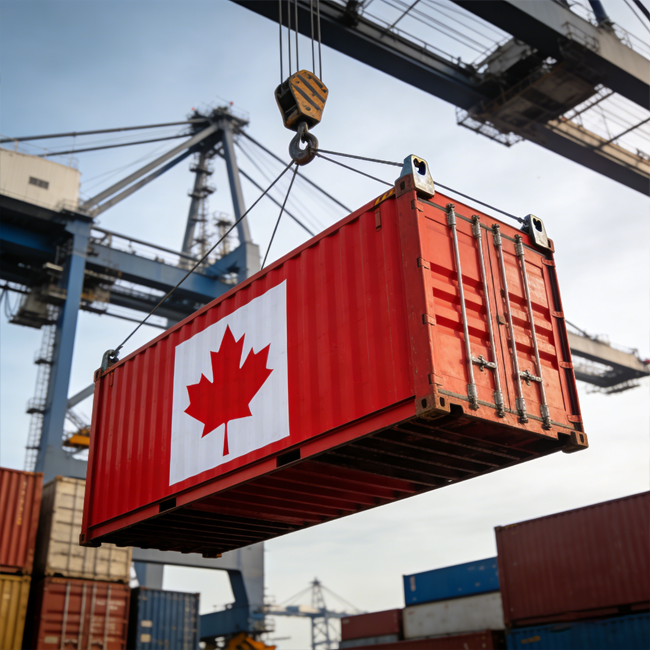

In the post-2025 shipping era, many Canadian importers learned the hard way that the cheapest quote often leads to the longest delays. At C&C Global, we leverage our China-based operations to secure local rates that international forwarders can't access.
However, our real value lies in strategy. We don't just move cargo; we help you understand how Canadian customs work and how to choose between the Port of Vancouver and the Port of Montreal to save thousands in inland trucking fees.
| Method | Best For | Est. Transit Time | Est. Cost (2026) |
| Air Express | Samples & Small Parcels (<100kg) | 3 - 6 Days | $8.50 - $12.00 / kg |
| Air Freight | Urgent Stock (100kg - 500kg) | 5 - 12 Days | $4.50 - $9.00 / kg |
| Sea Freight (LCL) | E-commerce Restocks (1 - 15 CBM) | 20 - 35 Days | $25 - $70 / CBM |
| Sea Freight (FCL) | High Volume (>15 CBM) | 18 - 30 Days | $1,500 - $3,200 / Container |
Express is the most "hands-off" method. It is Door-to-Door (DDP) by default, meaning the courier handles the entire logistics chain. In 2026, this remains the gold standard for high-value items or emergency stock gaps.
When your shipment is too heavy for Express but too urgent for the ocean, Air Freight is the answer.
Ocean freight remains the backbone of Canada-China trade.
Canada's geography is vast. Choosing the wrong port of entry can double your domestic shipping costs.
Canada's tax system is unique. Unlike the US, which has a high "De Minimis" threshold ($800), Canada's threshold is much lower.
Strategy Tip: Work with a customs broker who understands DDP (Delivered Duty Paid) vs. DAP (Delivered at Place). Using DDP allows you to bake the tax costs into your product price, providing a seamless experience for your Canadian customers.
Logistics shouldn't be a headache. Whether you need a quick Air Freight quote or a long-term Sea Freight strategy, our team is here to help you navigate the China-to-Canada route with ease.

Copyright © C&C GLOBAL Logistics Co., Limited All Rights Reserved - Privacy Policy - Blog
 EN
EN