
 EN
EN
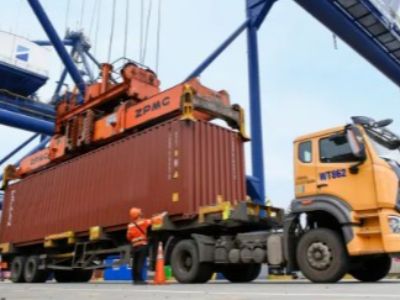
International freight services play a crucial role in supporting global manufacturing supply chains. With the rise of cross-border e-commerce, companies must ensure their logistics are reliable and efficient. This article will explore how international freight services enhance supply chain reliability, what to consider when choosing the right services, the cost factors involved, quality control measures, and common challenges buyers face in international fob air freight.
How International Freight Services Enhance Supply Chain Reliability?
International freight services are essential for manufacturers looking to expand their reach across borders. They provide a structured approach to transporting goods, ensuring timely delivery and reducing the risk of delays that can disrupt production schedules. Reliable ddp air freight services also enhance supply chain visibility, allowing manufacturers to track shipments in real-time, which is crucial for maintaining inventory levels and meeting customer demands.
A dependable freight service can significantly impact a manufacturer’s ability to meet deadlines. For instance, CC Global leverages its network of self-operated U.S. warehouses to streamline logistics, ensuring that products are stored and shipped efficiently. This operational efficiency becomes a competitive advantage, allowing manufacturers to respond quickly to market changes.
Choosing the Right International Freight Services for Manufacturing Needs
When selecting international freight services, manufacturers must consider several key factors to ensure alignment with their specific needs. First, identify the type of freight service required—air, sea, or land transport based on urgency, volume, and cost. For high-value or time-sensitive products, air freight may be preferred despite its higher cost, while bulk goods may be more economically shipped by sea.
Next, evaluate the freight forwarder’s expertise in handling your specific type of products. For instance, if a manufacturer specializes in fragile components, they should select a service provider experienced in managing such items to minimize damage during transit. Additionally, assess the china freight forwarder provider's network and relationships with customs authorities to ensure smooth clearance and compliance with regulations.
Lastly, consider the level of customer service and communication offered by the freight service provider. A dedicated account manager can provide personalized support and immediate assistance in case of issues, which can be invaluable in maintaining the integrity of your supply chain.
Understanding Cost Factors in Global Freight for Manufacturing Products
The cost of international freight is influenced by multiple factors, and understanding these can help manufacturers budget effectively. Key cost components include:
Transport Mode: As mentioned, the choice between air, sea, or land transport greatly affects pricing. Air freight is typically faster but more expensive, while sea freight is more economical for large volumes but slower.
Weight and Volume: Shipping costs are often calculated based on the weight and dimensions of the shipment. Understanding dimensional weight pricing is crucial for effective cost estimation.
Insurance: Depending on the value of the goods, insurance may be necessary to mitigate risks associated with loss or damage. This adds to the overall freight cost but provides peace of mind.
Customs Duties and Taxes: Import/export duties and taxes can significantly impact total costs. Manufacturers should factor these into their budgeting and ensure compliance with international trade regulations to avoid unexpected charges.
Additional Fees: Be aware of potential additional fees such as handling charges, storage fees at ports or warehouses, and fuel surcharges which can vary based on market conditions.
By understanding these cost factors, manufacturers can better negotiate with freight providers and make informed decisions that align with their financial goals.
Quality Control Measures for Freight Services in Manufacturing Supply Chains
Quality control is vital in international freight, especially for manufacturers shipping sensitive products. Implementing robust quality control measures can help mitigate risks during the shipping process. Here are several strategies to enhance quality assurance:
Pre-Shipment Inspections: Before goods are shipped, conducting thorough inspections ensures that products meet specifications and quality standards. This can include checking for defects, ensuring proper packaging, and verifying documentation.
Packaging Standards: Proper packaging protects products during transit. Manufacturers should select materials that withstand environmental factors, handle physical stresses, and comply with international shipping regulations.
Tracking and Monitoring: Use technology to monitor shipments in real-time. Advanced tracking systems allow manufacturers to receive alerts about delays or issues, enabling proactive measures to address potential problems.
Quality Assurance Partnerships: Collaborating with freight service providers that have established quality control processes can enhance reliability. Providers should have protocols in place for handling claims and addressing quality issues quickly.
Post-Delivery Evaluation: After delivery, conducting assessments of the freight process can help identify areas for improvement. Feedback from this evaluation can inform future shipping strategies and partnerships.
By prioritizing quality control throughout the freight process, manufacturers can minimize risks and ensure product integrity.
Common Challenges in International Freight and Their Solutions for Buyers
International freight services can present several challenges for manufacturers. Understanding these common issues and their solutions is crucial for effective supply chain management:
Customs Delays: One of the most frequent challenges is customs clearance delays. To mitigate this, manufacturers should ensure all documentation is accurate and complete, and consider working with freight forwarders who have established relationships with customs authorities.
Unexpected Costs: Hidden fees can arise throughout the shipping process. Buyers should request detailed quotes from freight providers, including all potential charges, to avoid surprises.
Damage or Loss of Goods: Damage during transit can affect product quality and lead to financial losses. Implementing strict packaging standards and obtaining adequate insurance can help manage this risk.
Communication Gaps: Poor communication with freight providers can lead to misunderstandings and delays. Establishing clear lines of communication and regular updates can ensure all parties are informed about the shipping status.
Supply Chain Disruptions: Economic factors, geopolitical issues, or natural disasters can impact shipping routes. Manufacturers should have contingency plans in place, such as alternative shipping routes or backup suppliers, to maintain supply chain continuity.
By proactively addressing these challenges, manufacturers can improve their international freight operations, ensuring smoother logistics and better overall efficiency.
Table of Contents
- How International Freight Services Enhance Supply Chain Reliability?
- Choosing the Right International Freight Services for Manufacturing Needs
- Understanding Cost Factors in Global Freight for Manufacturing Products
- Quality Control Measures for Freight Services in Manufacturing Supply Chains
- Common Challenges in International Freight and Their Solutions for Buyers