
 EN
EN
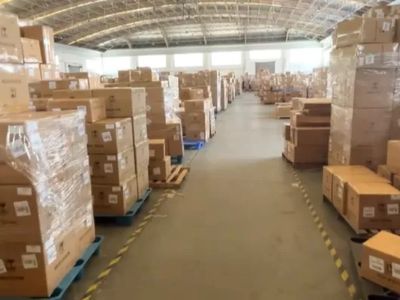
Understanding the logistics of international trade is crucial for importers, especially when deciding between air freight and sea freight. The choice between these two shipping methods can significantly impact costs, delivery times, and reliability. We will explore the differences between air freight and sea freight from China to the USA, helping importers make informed decisions based on practical considerations and industry insights.
Compare Air Freight and Sea Freight Costs for Wholesale Buyers
When evaluating air freight versus sea freight, cost is often the primary concern for wholesale buyers. Air freight typically incurs higher shipping costs compared to sea freight due to the expedited nature of the service. Costs can vary based on weight, dimensions, and the nature of the goods. Generally, air freight is more suitable for high-value or time-sensitive goods, where the faster delivery can justify the increased expense. On the other hand, sea freight offers a more economical solution for bulk shipments. The pricing models are often based on container size, with Full Container Loads (FCL) being more cost-effective than Less than Container Loads (LCL). Importers should consider not only the transport costs but also potential duties, taxes, and handling fees to fully evaluate the total cost of importing goods via either method.
Key Specifications for Air Freight vs Sea Freight from China
Several key specifications differentiate air freight from sea freight that can influence a buyer's decision.
Transit Time: Air freight generally offers transit times ranging from 1 to 5 days, while sea freight can take anywhere from 20 to 40 days, depending on the origin and destination ports. For importers needing quick replenishment of inventory, air freight is often the preferred choice.
Weight and Volume Limitations: fob air freight often has stricter weight and volume limitations compared to sea freight. Most airlines have a maximum weight per piece (often around 150 kg) and charge based on the dimensional weight for oversized packages. In contrast, sea freight allows for larger volumes and heavier shipments, making it ideal for bulk purchases.
Packaging Requirements: Goods shipped by air must be packaged to withstand rapid handling and changes in pressure. This often requires more robust packaging compared to sea freight, where the goods may be subjected to longer transit times with different handling requirements.
Understanding these specifications helps importers make better decisions based on their product types and logistical needs.
What Importers Need to Know About Air Freight Reliability?
Reliability is a critical factor when choosing a freight method. Air freight is generally considered more reliable than sea freight due to its scheduled nature, reduced likelihood of delays, and less exposure to port congestion. However, buyers should consider factors such as:
Weather Conditions: While air freight can bypass many delays associated with sea transport, adverse weather can still impact flight schedules. Importers should account for this when planning shipments.
Customs Clearance: Air freight shipments may clear customs faster than sea freight, particularly in major airports. However, documentation must be precise to avoid delays.
Cargo Handling: The handling of goods during transit can affect reliability. Importers should work with logistics providers that have a proven track record in handling air freight to ensure their goods are treated with care.
By understanding these reliability factors, importers can set realistic expectations and improve their supply chain efficiency.
Evaluating Quality Control in Air Freight and Sea Freight Shipping
Quality control plays a significant role in both air and sea freight shipping, but the approaches can differ.
Inspection Protocols: Air freight shipments often require more stringent inspection protocols due to the expedited nature of delivery. Importers should ensure that their goods are inspected thoroughly before shipping to minimize potential issues during transit.
Damage Risk: While both methods have risks of damage, the faster transit times of fob shipping can mean less exposure to handling issues. However, air freight shipments are typically subjected to more rigorous security checks, which can increase handling and the potential for damage if not packaged correctly.
Traceability and Tracking: Air freight shipments usually offer better tracking capabilities than sea freight, enabling importers to monitor their goods in real time. This can be critical for quality assurance, allowing quick responses to any issues that may arise.
Importers should prioritize quality control measures that align with their shipping method to ensure the integrity of their products upon arrival.
Common Problems with Air Freight and Sea Freight Imports
Both air freight and sea freight come with their own set of challenges that importers should be aware of.
Air Freight Issues: Common problems include flight cancellations and delays, leading to potential inventory shortages. Additionally, the high costs associated with FCA shipping can strain budgets, particularly for larger shipments. Importers need to have contingency plans in place, such as alternative suppliers or emergency stock.
Sea Freight Issues: Sea freight is often plagued by port congestion, longer lead times, and potential delays due to customs inspections. Importers should be prepared for unexpected delays by planning shipments well in advance and considering buffer stock to manage inventory levels.
By being aware of these common issues, importers can take proactive steps to mitigate risks and ensure smooth operations. choosing between air freight and sea freight from China to the USA involves careful consideration of costs, specifications, reliability, quality control, and potential issues. By understanding these factors, importers can make informed decisions that align with their business needs and logistics strategies.
Table of Contents
- Compare Air Freight and Sea Freight Costs for Wholesale Buyers
- Key Specifications for Air Freight vs Sea Freight from China
- What Importers Need to Know About Air Freight Reliability?
- Evaluating Quality Control in Air Freight and Sea Freight Shipping
- Common Problems with Air Freight and Sea Freight Imports