
 EN
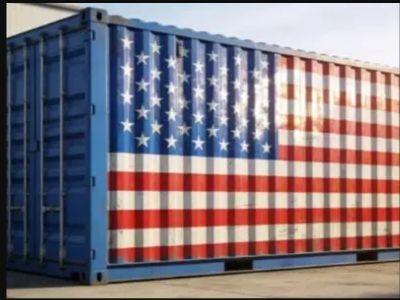
International freight services play a crucial role in enhancing global supply chain efficiency by ensuring timely and reliable transportation of goods across borders. For businesses engaging in cross-border trade, understanding how these services work can alleviate concerns about delays, compliance, and costs. This article will delve into the key factors to consider when choosing international freight providers, the critical elements of global freight management, the importance of quality control, specifications for freight applications, and common challenges in global shipping along with effective solutions.
What to Consider When Choosing International Freight Providers
Selecting the right international freight broker provider is pivotal for ensuring smooth logistics operations. Key considerations include the provider's experience in your specific trade lane, especially if you are focusing on the U.S. market. Evaluate their network and capabilities, such as the number of self-operated warehouses, since this affects inventory management and delivery speed.
Additionally, assess the provider's ability to offer end-to-end visibility throughout the shipping process. This transparency allows you to monitor your shipments in real time, reducing uncertainty and enhancing planning capabilities. It's also vital to check their compliance with international regulations and certifications, which can affect customs clearance and ultimately your supply chain efficiency.
Lastly, consider the provider's customer service and support. A responsive and knowledgeable support team can assist with troubleshooting issues, ensuring that your shipments remain on schedule.

Key Factors in Global Freight Management
Effective global freight management hinges on several factors, including route optimization, cost management, and risk assessment. Route optimization involves analyzing various shipping paths and methods to minimize transit times and costs. This can include weighing options between air, sea, and land freight, depending on the urgency and nature of the goods being shipped.
Cost management is another critical aspect. This includes not only the shipping rates but also additional fees such as customs duties, insurance, and handling charges. Buyers should request detailed quotes to understand the total landed cost of goods. This enables informed decision-making and budget planning.
Finally, risk assessment is essential. This involves evaluating potential disruptions in the supply chain, such as political instability in a shipping region or fluctuations in fuel prices. A proactive approach, including contingency planning, can safeguard against these risks and maintain supply chain efficiency.
Evaluating Quality Control in International Freight Services
Quality control in international freight services ensures that goods arrive in the expected condition. This involves several processes, including proper packaging, handling, and transportation methods. Buyers should inquire about the quality assurance measures their freight provider employs. This could include inspections at various stages of the shipping process and adherence to international shipping standards.
A common oversight is neglecting to assess the packaging used for shipments. The right packaging protects goods from damage during transit and can be tailored based on the nature of the product. For example, fragile items require more robust packaging solutions to mitigate the risk of breakage.
Additionally, understanding how the freight provider handles claims for damaged or lost goods is crucial. A reputable provider should have a clear process for managing these claims, which reflects their commitment to quality and reliability.
Understanding Specifications for International Freight Applications
Specifications in international freight applications significantly influence shipping efficiency and safety. Key specifications include weight limits, dimensional constraints, and material compatibility. Buyers must communicate their product specifications clearly to ensure that freight methods align with their requirements.
For instance, understanding weight limits is crucial, as exceeding these can lead to additional charges or delays. Similarly, dimensional constraints impact loading and unloading operations, affecting logistics efficiency. Buyers should also consider the materials of their products; for example, hazardous materials require special handling and documentation.
Before proceeding with a shipment, it’s advisable to confirm these specifications with the freight provider. This step ensures that all parties are aligned, reducing the likelihood of issues during transit.

Common Problems in Global Shipping and Effective Solutions
Global shipping presents various challenges, from customs delays to unexpected costs. One common issue is paperwork errors, which can lead to significant delays in customs clearance. To mitigate this risk, buyers should ensure that all documentation, including commercial invoices and packing lists, is accurate and complete before shipment.
Another frequent problem is unexpected costs arising from fuel surcharges or currency fluctuations. To manage this, buyers should inquire about fixed-rate contracts or hedging options that mitigate the impact of price volatility.
Finally, communication gaps can lead to misunderstandings and mistakes in shipping. Establishing a clear communication protocol with your freight provider can help. Regular updates on shipment status and proactive notifications about potential issues will facilitate smoother operations.
By understanding these common challenges and implementing effective solutions, businesses can significantly enhance their global shipping processes, contributing to overall supply chain efficiency.
leveraging international freight broker services effectively can dramatically improve supply chain efficiency. By carefully evaluating freight providers, understanding key management factors, ensuring quality control, being aware of specifications, and addressing common shipping problems, businesses can achieve a more streamlined and efficient logistics operation.